
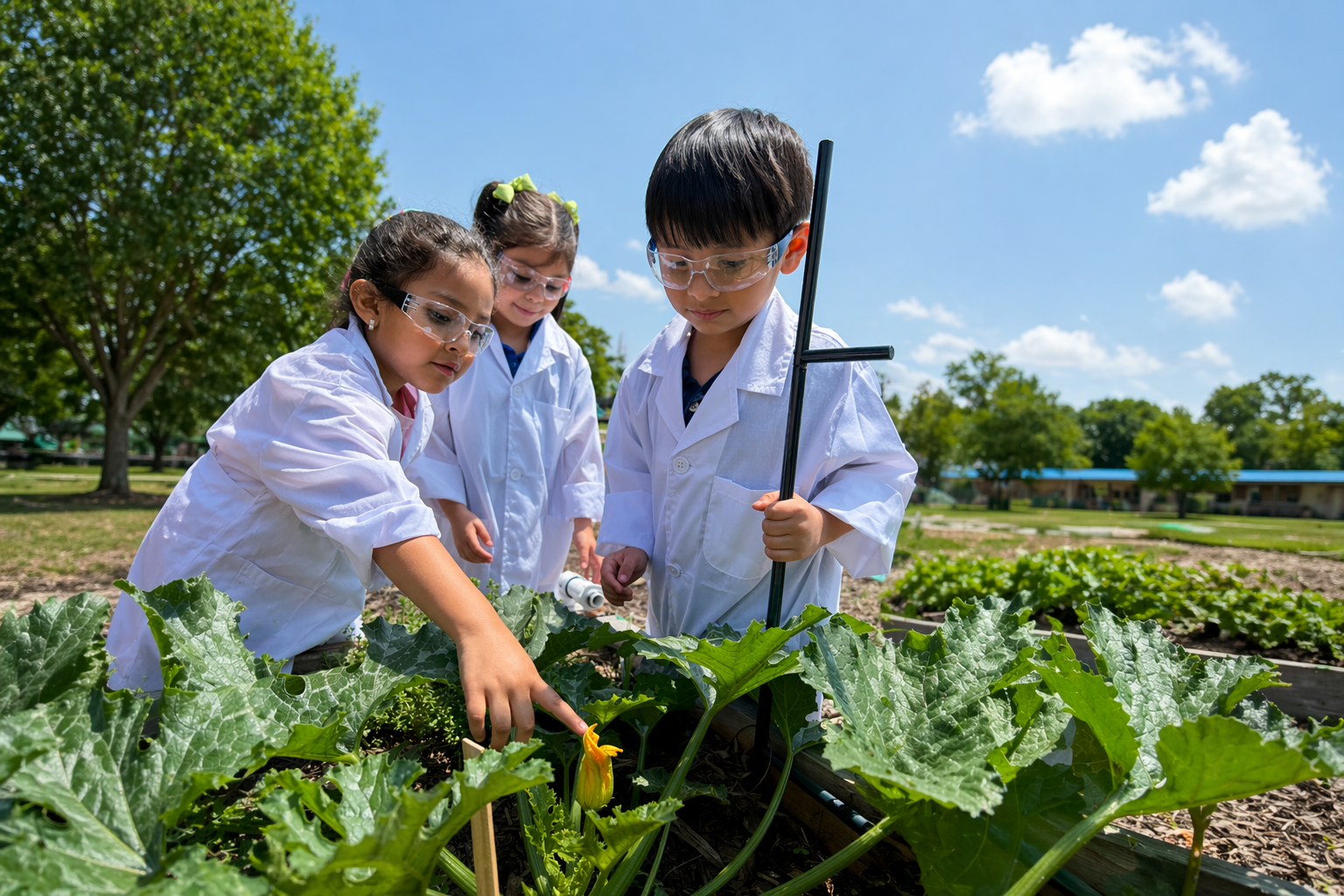
While most pre-K students spend their mornings practicing the alphabet, the youngest learners at Gilbert Cuellar Sr. Elementary School are busy managing a living laboratory.
Instead of traditional garden beds, students manage glowing vertical towers, where leafy greens grow suspended in air, nourished by a specialized misting system.
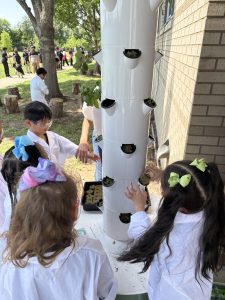
“This is totally hands-on. They can touch everything, like placing the seeds and tiny pots inside the aeroponic, and they can hear the water coming from the machine,” said Rocio Martinez, pre-K4 bilingual teacher. “They see with their own eyes that there is no soil necessary and you don’t need a big area–just a tiny space with water, light, and some nutrients.”
While the school has long maintained a traditional outdoor garden, the introduction of the aeroponic towers in January changed the rhythm of the classroom.
The students have successfully completed three full harvests and the class plans to transplant flowers grown using the aeroponic system to an outdoor pollinator area to support local butterflies and bees through the summer months.
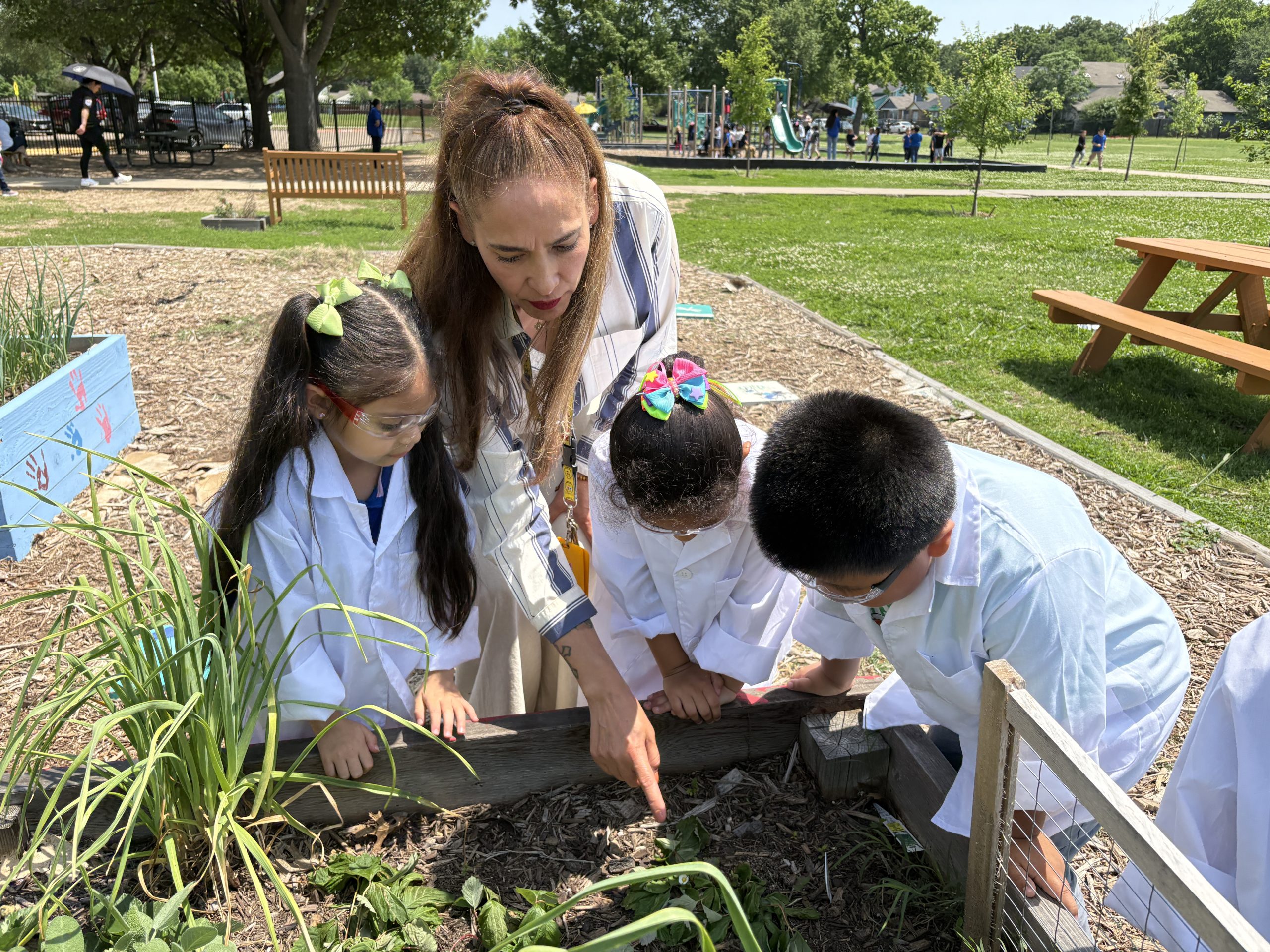 “We wanted to bring something innovative and sustainable to the school that the kids could observe quickly because they always want to know what the next step is,” Martinez said. “We have a garden already, but the aeroponic machine helps them understand science lessons faster. In just five weeks, they can already see a huge plant or even a flower.”
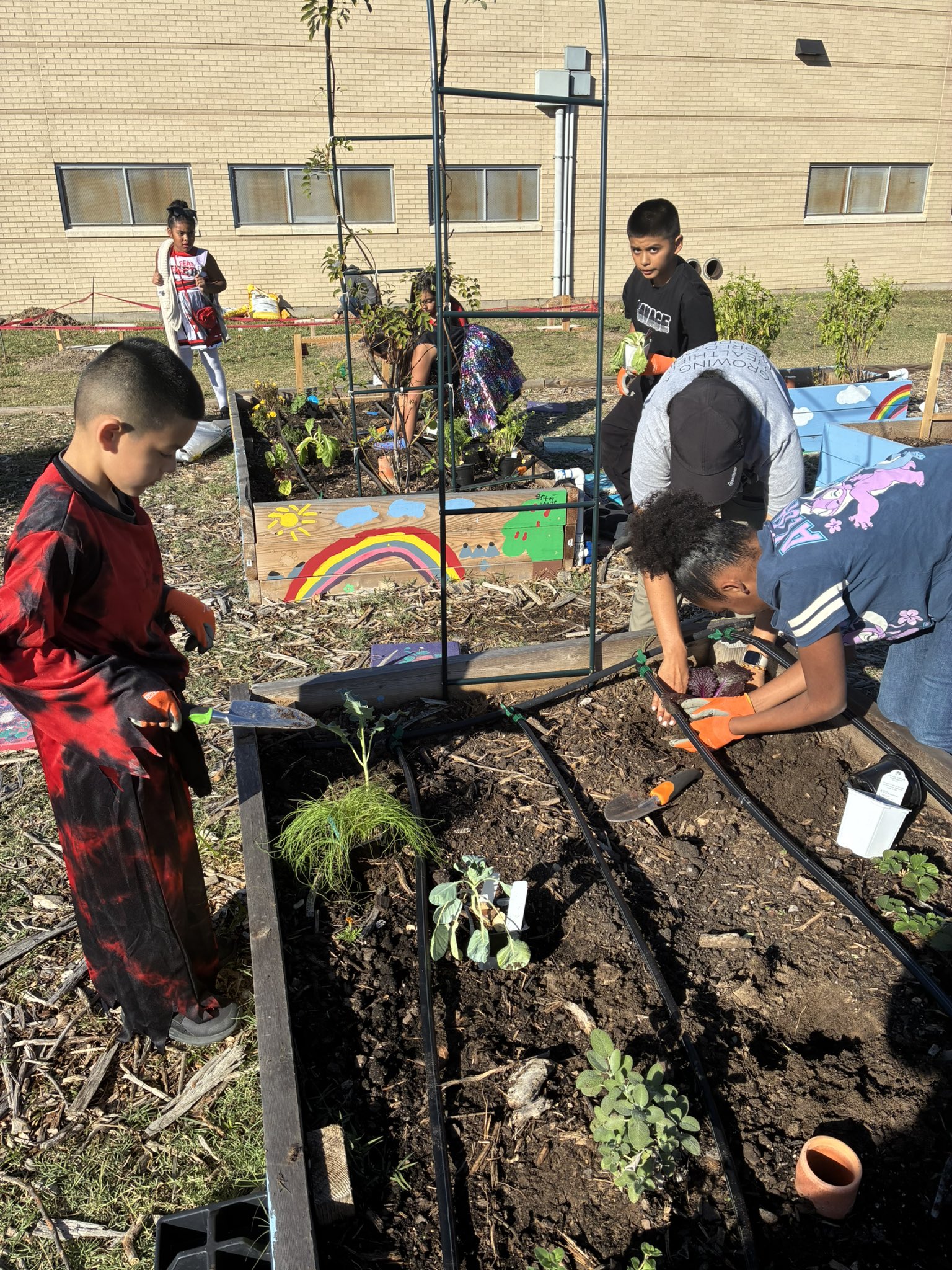 By integrating this technology into early childhood education, Cuellar Elementary ensures the next generation views sustainability as a second language by transforming the future of farming.
“From my point of view, sustainability is the future of food,” Martinez said. “This machine gave us the expectation for something real in a small space, without damaging soil. We’re not just teaching them for the next grade level; we’re teaching them to be good people. This is the best place we can make them knowledgeable about what they can do.”
