At the intersection of Ross and Fitzhugh avenues, two distinct Dallas ISD schools operate under one roof.
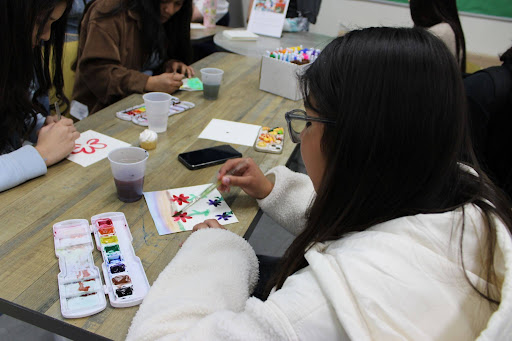 While both application-based schools share the building, they serve different ambitions: CityLab High School offers architecture and environmental sustainability pathways, while the Innovation, Design, Entrepreneurship Academy at James W. Fannin prepares students for business careers.
“CityLab is an A-rated campus, and we earned six state distinctions this year,” Alan Varney, principal, said. “The foundational idea was to use Dallas as our laboratory.”
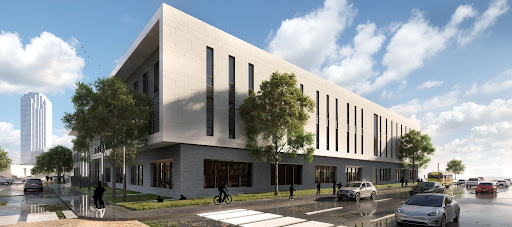
Backed by the district’s Bond 2020 program, the campus is moving downtown near Dallas City Hall and the farmers market for the 2027-2028 school year to place students directly within the urban environment they study.
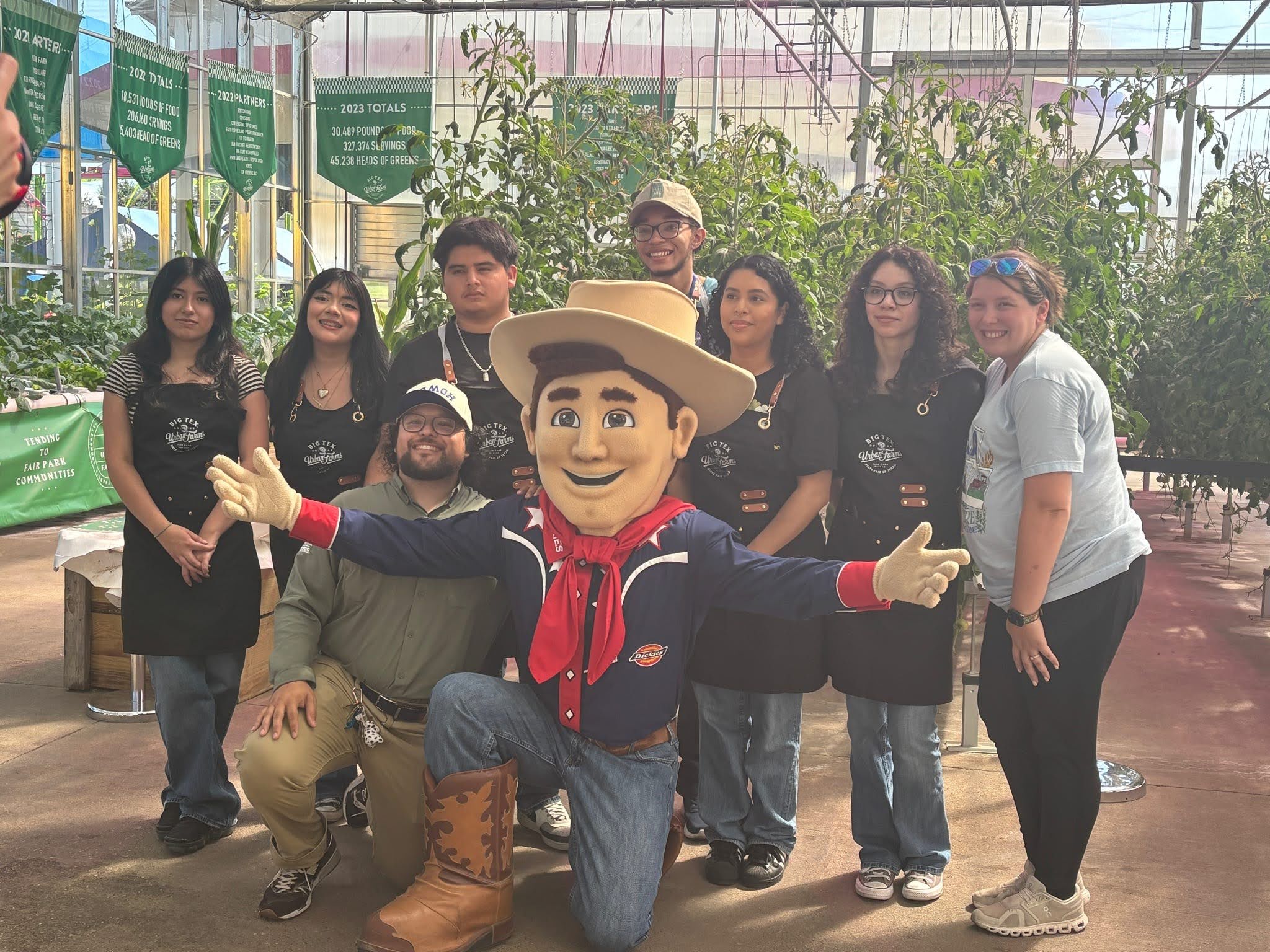
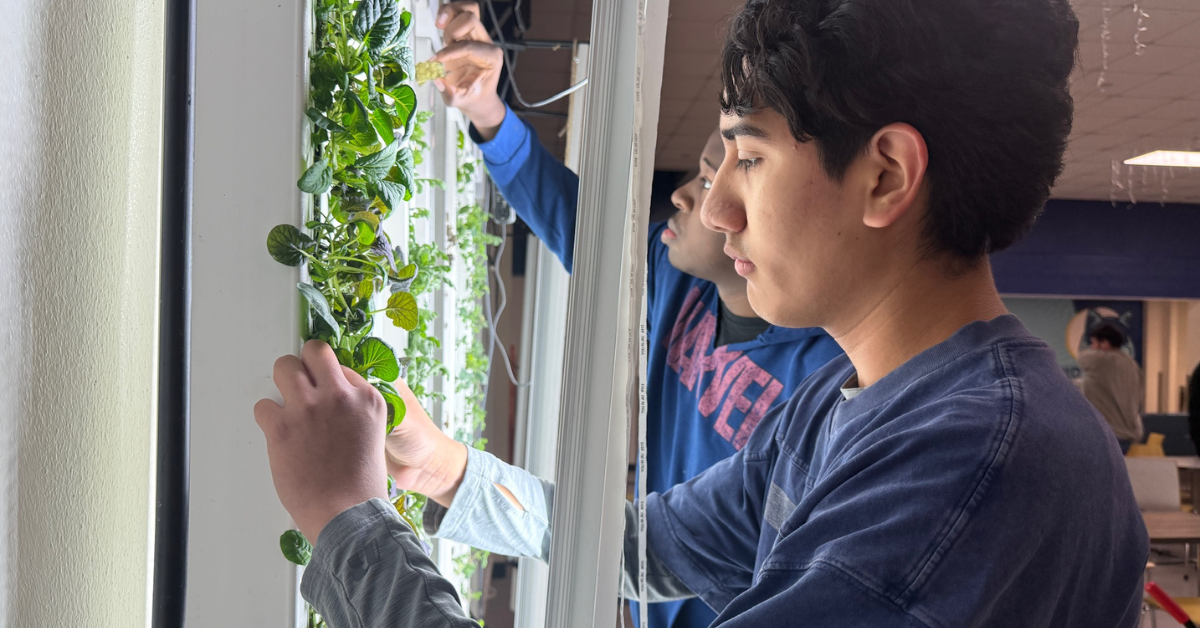
“The sheer proximity to major government and civic entities will completely change things,” Varney said. “Being downtown will make it much easier for our seniors to travel to their internships. The new building will also feature a third-floor rooftop greenhouse, allowing us to expand our farming and hydroponics programs.”
Next year, the campus will also deepen its focus on college and career readiness by expanding to five dual-credit courses, adding college algebra to its current English and social studies offerings.
Alongside these options, an extensive array of Advanced Placement (AP) courses are available. According to U.S. News & World Report, CityLab maintains a 100% AP participation rate.
While CityLab students focus on the physical world, IDEA students focus on the commercial side. Using the Network for Teaching Entrepreneurship framework, IDEA underclassmen learn business foundations and draft pitch plans before building prototypes and studying marketing as juniors to set up senior-year internships.
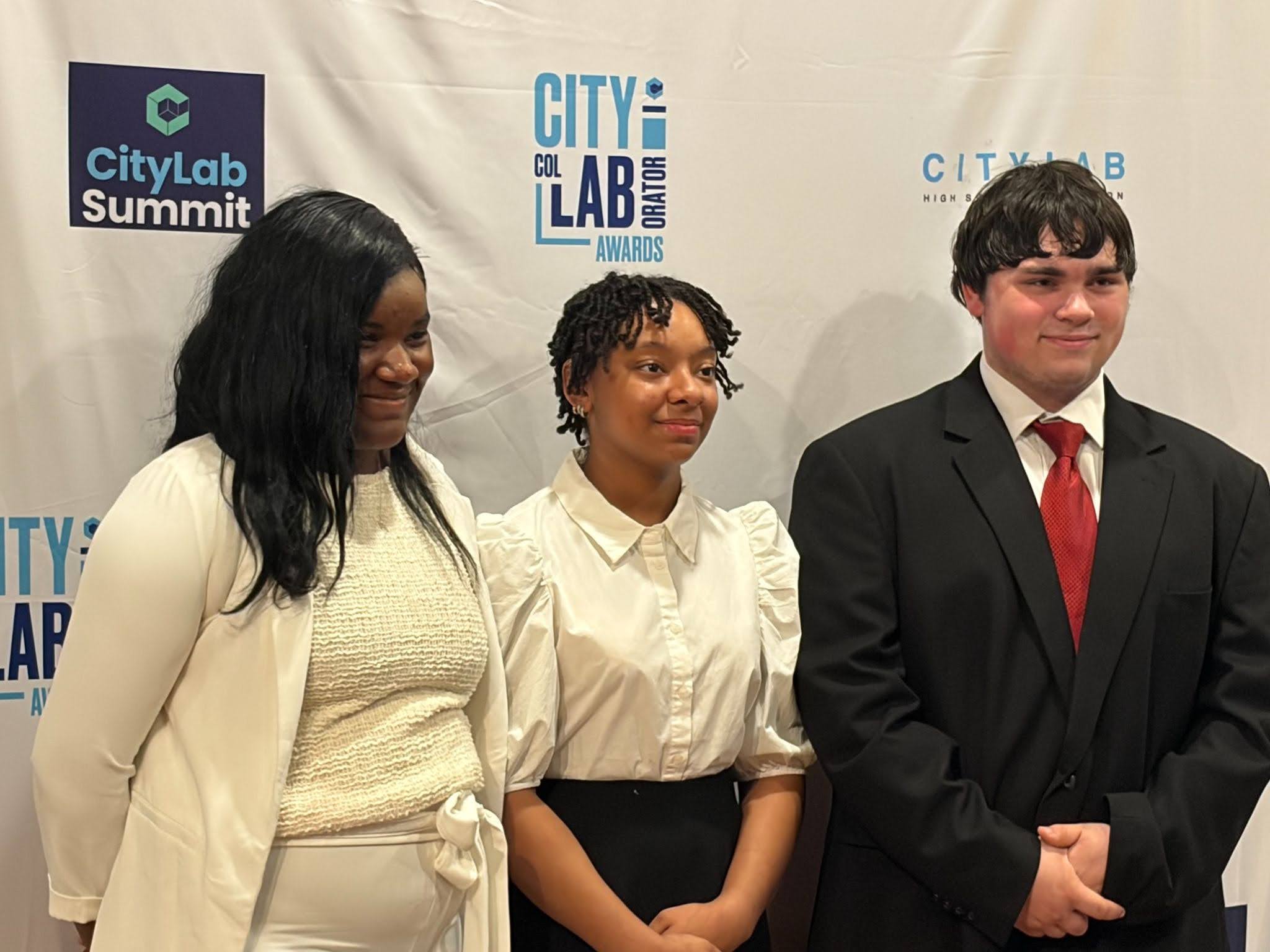 Though their career pathways diverge, students from both schools are completely integrated outside of specialized classes, sitting side-by-side in core subjects like math and science, a dynamic Varney views as a strength.
“When you have multiple specialized pathways intersecting, it sparks great peer-to-peer learning,” Varney says. “Down the road, we could have an IDEA student create a sustainable business model to help market and distribute the produce grown by the CityLab students out into the community.”
For many families, the appeal lies in the intimate scale of the campus and its robust support systems, including the addition of a new special education teacher to help serve the large neurodivergent student population.
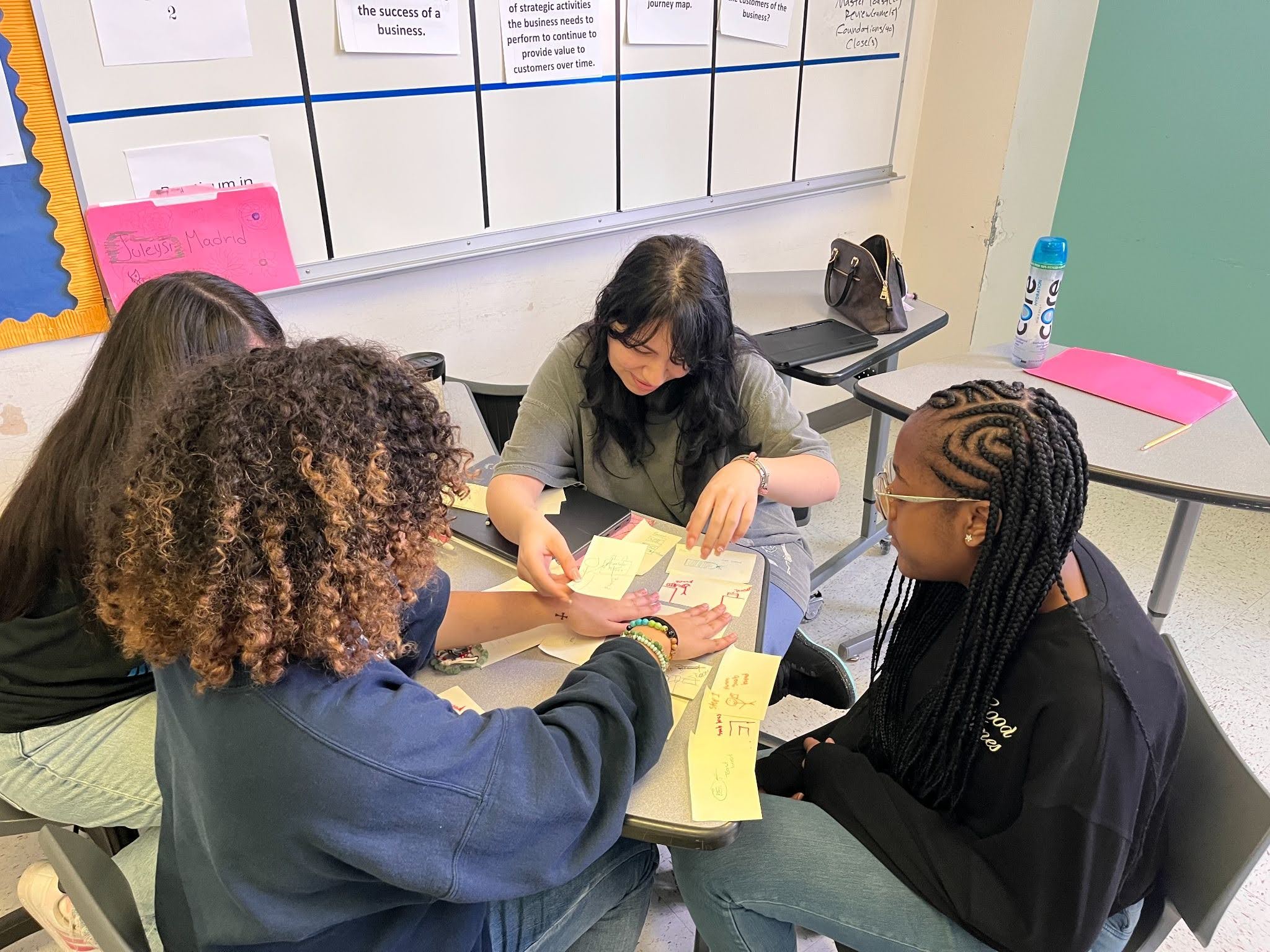 “Many of our students would easily get lost or overwhelmed in a massive, comprehensive high school,” Varney said. “This is a welcoming environment. Our kids don’t care who walks through that door; everyone is accepted for exactly who they are.”
Ultimately, the defining characteristic of the dual-school campus is the culture of community that the students have built together.
“The students define the place by how caring they are toward one another and the immense amount of work they put into their pathways, and how dedicated they are to becoming college and career ready,” Varney said. “Our students celebrate each other’s victories. When a student is successful on this campus, the entire student body applauds them.”