

Every day, Madeleine Menchaca watches her pre-K students seamlessly shift between two languages as they learn, play, and talk with one another.
As a dual-language teacher at Walnut Hill International Leadership Academy, she leads a classroom where Spanish and English weave naturally through every lesson.
“I just love seeing the students learn each language and how they develop,” she said. “They are so curious, and it’s really impressive how they grow during the year.”
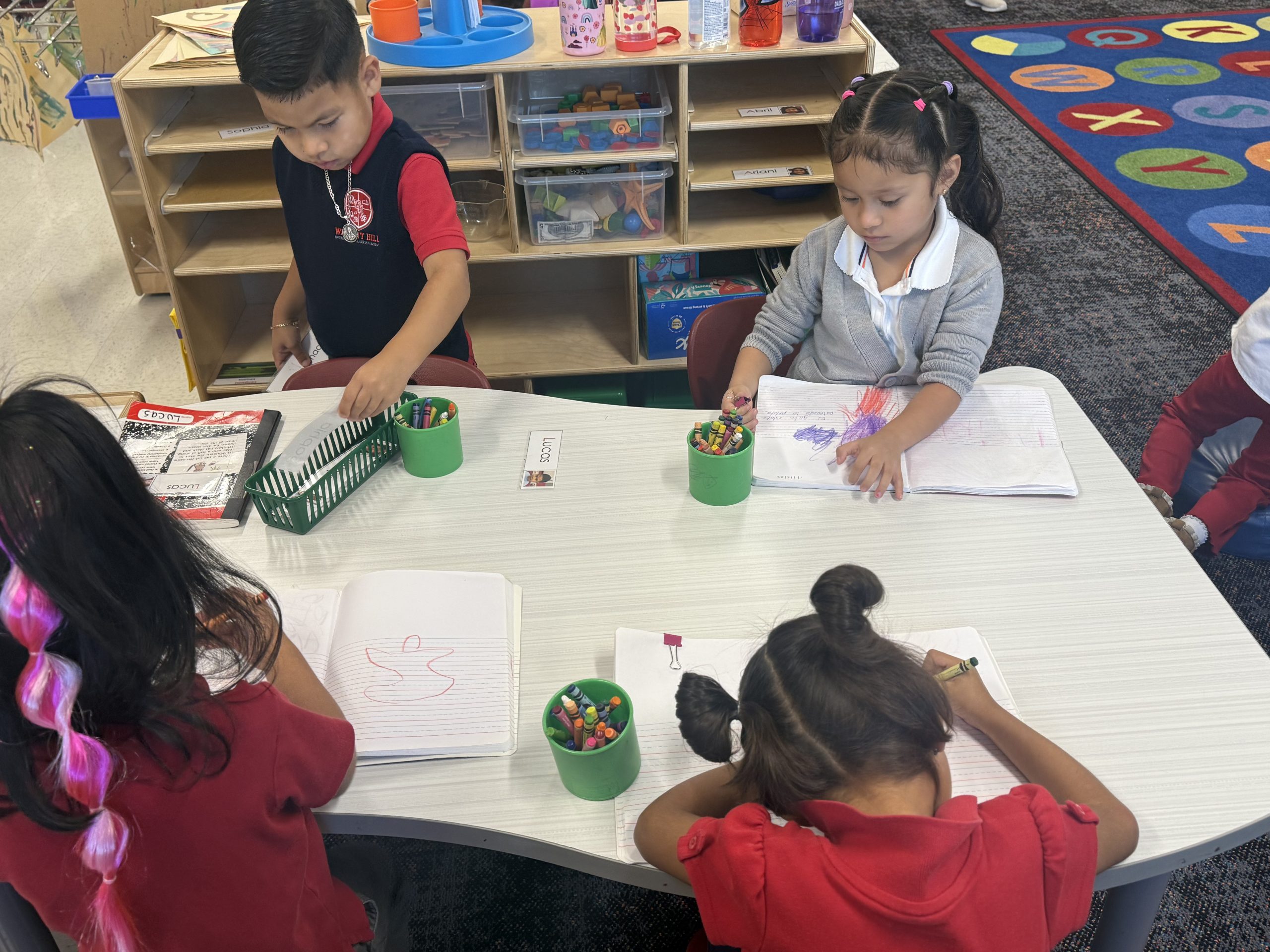
Originally from Puerto Rico, Menchaca said students in the dual-language program often start the year speaking only one language, but soon start speaking in full sentences in their non-native language.
In a dual-language classroom, most of the instruction is done in Spanish.. And, by merging English and Spanish speakers, students learn from one another.
“They learn from each other and support each other,” Menchaca said. “If it’s not dual-way, it’s not really bilingual.”
At WHILA, families with pre-K students can opt into two dual-language programs – Spanish and Mandarin. While Spanish is fully immersive, Mandarin classrooms are 50-50 English and Mandarin.
When families sign up for a dual-language, they commit to staying through the fifth grade. Middle school students then have the option to continue through eighth grade. Many stay in the program until they go off to high school, said Philip Meaker, principal.
“Parents love it. When kids are young, it’s quicker to get that second language,” he said. “It opens up a different part of the brain. To be bilingual, or even trilingual is a necessity in today’s world.”
More than gaining the ability to speak more than one language, being multilingual teaches soft skills like adaptability and perseverance, Meaker said.
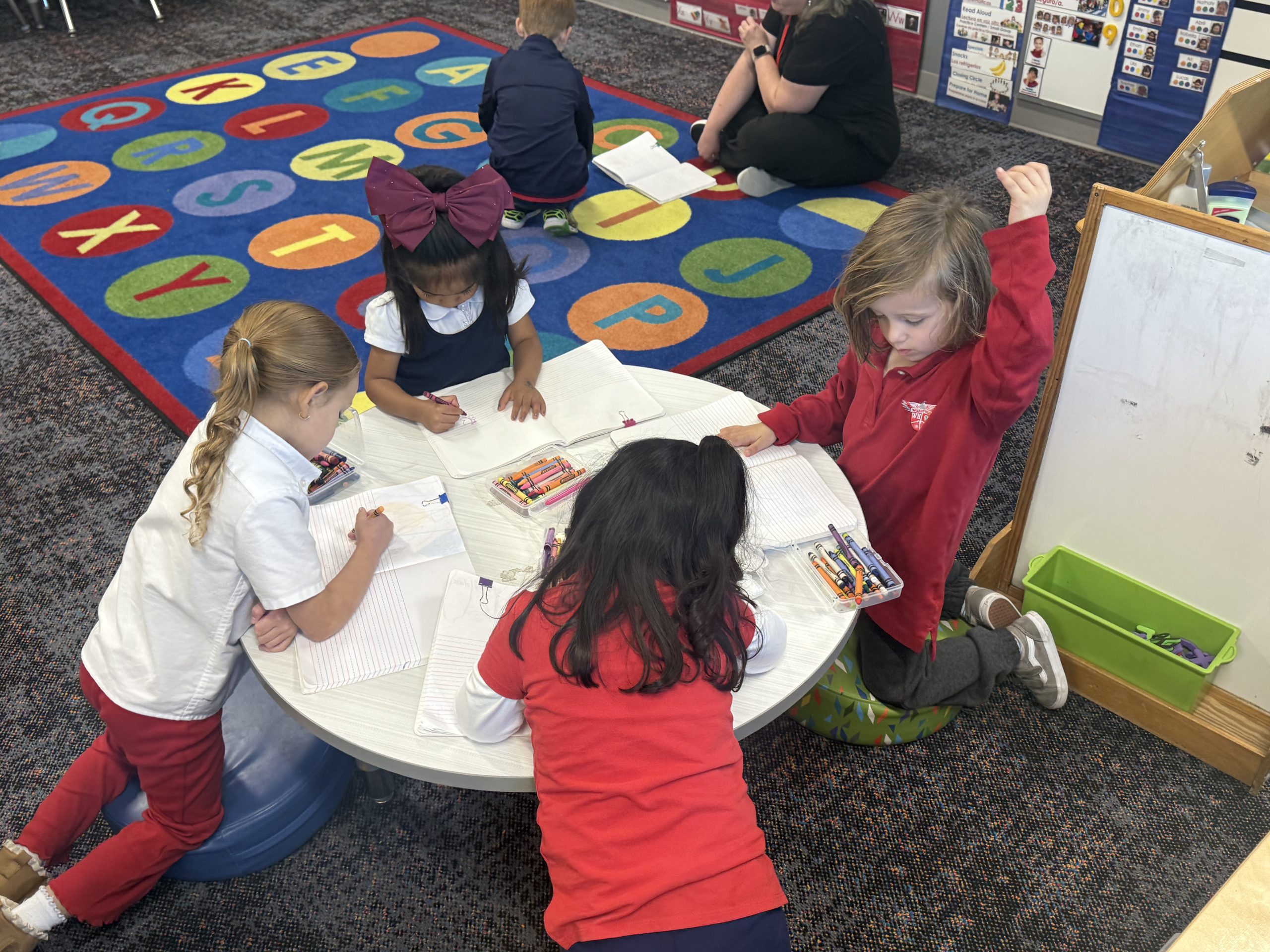
“Their minds are more moldable and they can consume a whole lot more, which helps them learn other things,” he said. “Our dual language students are a lot stronger in their general education courses, partly because they know two languages, they had to work through that difficulty.”
Menchaca agreed.
“Language acquisition is going to help your brain process more and makes you smarter. Learning a different language, and being exposed to different cultures, seeing different practices, helps with empathy and overall confidence,” she said. “When you start learning a global mindset young, you learn that people who speak different languages are not different from you.”
To learn more about WHILA and how students can launch their legacies, attend Virtual Discover on Saturday, Jan. 17, 2026.
